Not all basmati is created equal. Variety, processing and ageing all change how a grain looks, smells and cooks — and what it should cost. Here is what every buyer should know.
What makes rice "basmati"?
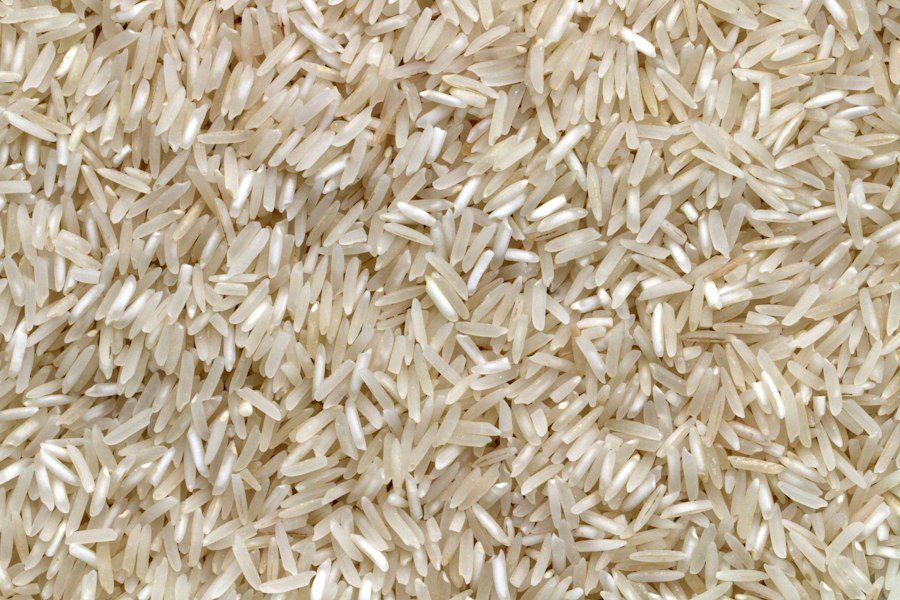
Basmati is a long-grain aromatic rice traditionally grown in the Indo-Gangetic plains at the foothills of the Himalayas. Indian basmati carries a Geographical Indication (GI) tag, which ties the name to specific growing regions in northern India. Its signature traits are a slender grain, a distinctive natural aroma and remarkable elongation — the grain grows mostly in length, not width, when cooked.
The main varieties
1121 Basmati
The most widely traded basmati in the world. 1121 is prized for its extra-long grain and its exceptional elongation after cooking, making it a favourite for biryani, pulao and premium retail packs, especially across the Middle East.
1509 Basmati
An early-maturing variety with a long, slender grain close in appearance to 1121. It typically offers a more economical price point, making it popular with wholesalers and food-service buyers who want a long grain without the 1121 premium.
Traditional & Pusa Basmati
Traditional basmati has a shorter grain than 1121 but is celebrated for its intense aroma and delicate taste. Pusa Basmati varieties sit between the two, balancing grain length, aroma and yield.
Raw, steam or sella?
- Raw (white): milled directly after harvest and drying. Softest texture and strongest aroma.
- Steam: paddy is lightly steamed before milling. Grains are firmer, cook more separately and hold up well in restaurants.
- Sella (parboiled): paddy is soaked, steamed and dried before milling. Golden sella has an amber colour; creamy sella is lighter. Very non-sticky and forgiving to cook — ideal for bulk catering.
Why ageing matters
Basmati is usually aged for several months — often a year or more for premium lots — before sale. Ageing reduces moisture, deepens aroma and helps grains cook longer and fluffier without breaking.
The right basmati is not the most expensive one — it's the one that matches how your customers cook.
What to put in your enquiry
- Variety (1121, 1509, Pusa, Traditional)
- Processing (raw, steam, golden sella, creamy sella)
- Average grain length and maximum broken percentage
- Maximum moisture and any admixture limits
- Packing size, bag type and labelling
- Quantity, destination port and preferred Incoterm
Share these with us on the contact page and we'll match you with the right lot and a detailed specification sheet.