India is widely recognised as the world's largest producer, consumer and exporter of spices. But what really sets Indian spices apart for global buyers?
Origin is everything
India's varied climates — from the humid Western Ghats to the dry plains of Rajasthan — allow it to grow an unmatched range of spices, each in the region that suits it best:
- Kerala & Karnataka: black pepper and green cardamom from the Western Ghats.
- Gujarat & Rajasthan: cumin, fennel, coriander and fenugreek.
- Andhra Pradesh & Telangana: dry red chillies, including the famous Guntur varieties.
- Telangana, Maharashtra & Tamil Nadu: turmeric, with trading hubs such as Nizamabad, Sangli and Erode.
What importers look for
Colour, pungency and oil content
Chilli is often traded on colour value and heat, turmeric on curcumin content, and seed spices on volatile oil — the compounds that carry aroma and flavour. Clear specifications on these parameters prevent disputes later.
Food-safety compliance
Markets such as the EU, UK and USA set strict limits for pesticide residues, aflatoxins and microbiological contamination. Serious exporters test every lot against the destination market's limits — not just Indian standards.
Cleanliness and sterilisation
Machine cleaning removes stones, stems and foreign matter. For ground spices, steam sterilisation reduces microbial load without chemicals, which is increasingly expected by European and American buyers.
A great spice is grown in the right place — and handled the right way after harvest.
Whole or ground?
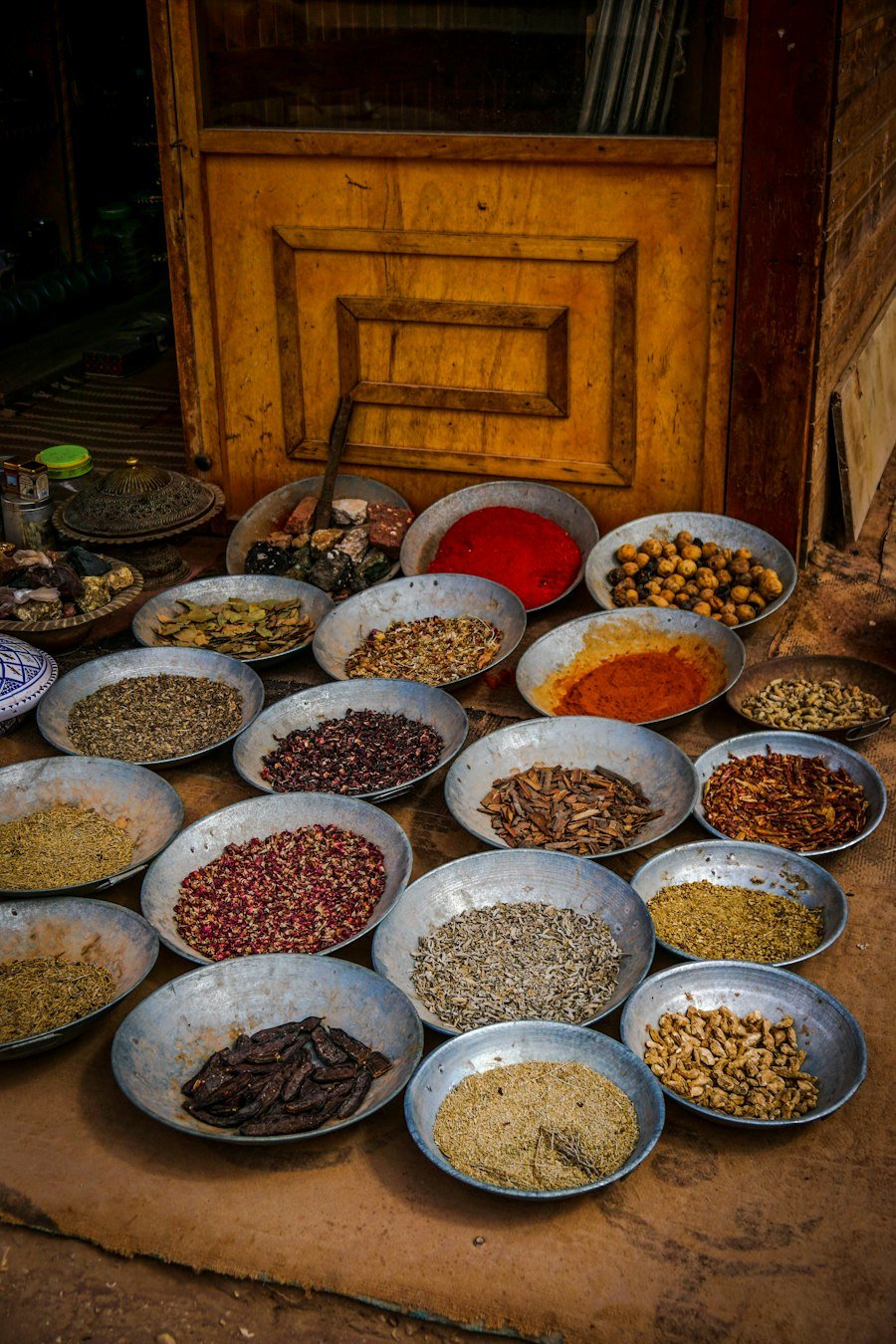
Whole spices keep their aroma longer and are preferred by grinders and processors. Ground spices and blends save the buyer a processing step and are ideal for retail and food-service packs. We supply both — and can blend to your own recipe under your label.
Explore our spice range or request specifications.